The Role of PET-CT in Neuro-Oncology
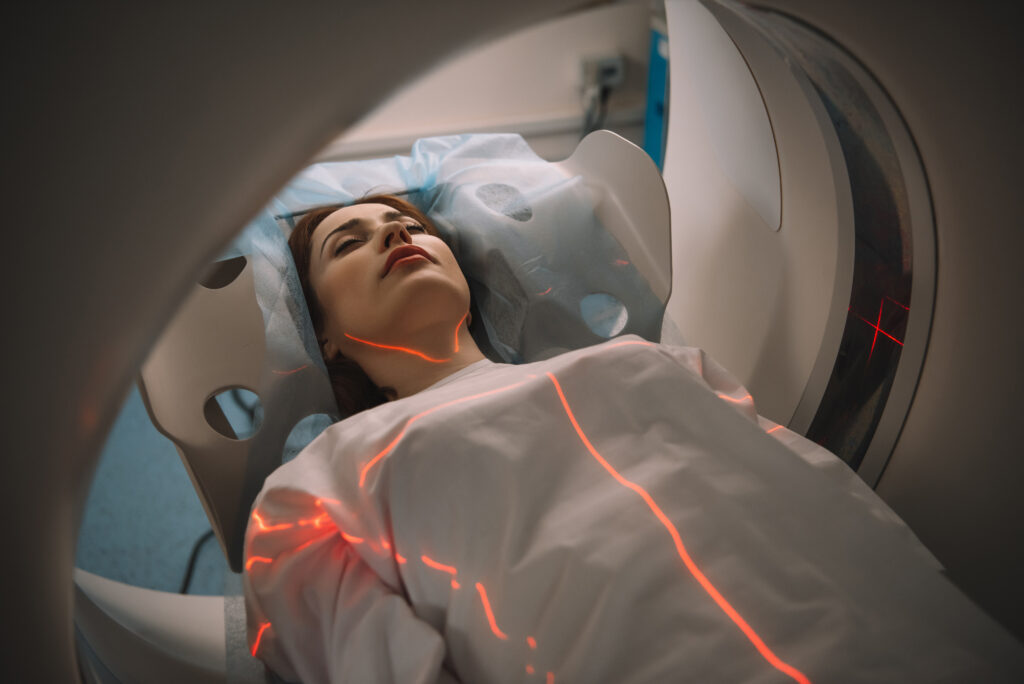
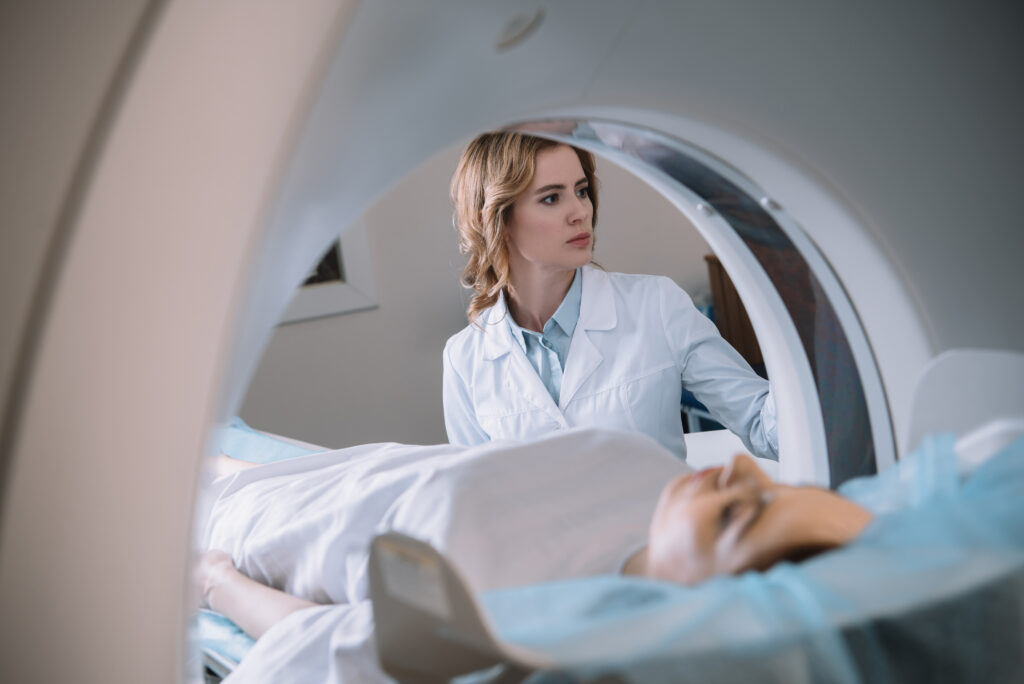
Positron Emission Tomography–Computed Tomography (PET-CT) is an advanced imaging technique that provides unique insight into the biological activity of brain and spinal tumors. By combining functional and anatomical information, PET-CT supports more precise evaluation of tumor behavior, especially in complex or uncertain clinical situations.
What PET-CT Is and How It Differs from MRI and CT
PET-CT integrates two technologies into a single examination:
-
PET imaging, which detects metabolic and cellular activity using a radiotracer
-
CT imaging, which provides detailed structural information and precise anatomical localization
Unlike CT and MRI, which primarily show physical changes in tissue, PET-CT reveals how active a tumor is at the cellular level.
-
CT is particularly effective for identifying bone involvement, calcifications, and acute conditions
-
MRI offers superior soft-tissue detail and is the primary imaging tool in neuro-oncology
-
PET-CT adds functional information that can clarify findings when structural imaging alone is inconclusive
When PET-CT Is Used in Neuro-Oncology
PET-CT is typically used selectively rather than as a first-line imaging method. It is especially helpful in:
-
Distinguishing active tumor tissue from treatment-related changes, such as radiation effects or scarring
-
Assessing tumor aggressiveness and biological behavior
-
Evaluating response to therapy
-
Clarifying uncertain MRI findings during follow-up
-
Identifying tumor recurrence or progression
In many cases, PET-CT findings complement MRI, helping clinicians make more confident treatment decisions.
Radiopharmaceutical Substances in PET-CT Imaging
A key component of PET-CT imaging is the use of radiopharmaceutical substances, also called tracers. These are biologically active compounds labeled with a small amount of radioactive material that highlight specific tumor characteristics, such as glucose metabolism or amino acid uptake.
The radiopharmaceutical is usually administered intravenously before the scan and selectively accumulates in areas of increased cellular activity. Choosing the appropriate tracer is critical, as different brain tumors may require different substances for optimal visualization. For example, while glucose-based tracers are widely used, certain brain tumors are better assessed with specialized amino acid tracers that provide clearer contrast between tumor tissue and normal brain.
The radiation dose used is low, carefully controlled, and considered safe for diagnostic purposes. The tracer naturally breaks down and is eliminated from the body within a short time. For most patients, the clinical value of PET-CT far outweighs the minimal associated risks.
The Role of Specialized Expertise in PET-CT Evaluation
Accurate PET-CT assessment relies on more than advanced technology—it requires specialized knowledge and clinical experience. Interpreting metabolic activity in the brain is complex, as normal brain tissue can also show high uptake. Experienced imaging specialists understand how to distinguish normal patterns from disease-related changes and how to integrate PET-CT findings with MRI results and clinical information.
Close collaboration between nuclear medicine physicians, neuroradiologists, neurosurgeons, and neuro-oncologists ensures that the right radiopharmaceutical is selected and that imaging results are interpreted in the correct clinical context. This coordinated approach supports accurate diagnosis, avoids unnecessary interventions, and helps tailor treatment to the individual patient.
Conclusion
PET-CT is a powerful complementary imaging tool in neuro-oncology, offering valuable insight into tumor activity that cannot be obtained from structural imaging alone. When the appropriate radiopharmaceutical is carefully selected and results are evaluated by experienced specialists, PET-CT contributes to clearer diagnoses, more personalized treatment strategies, and improved patient care.
The article was medically reviewed by the Neuro-Oncology Team
Last update: December 14, 2025
Neuro-oncology Institute, Barcelona.