Glioblastoma: Symptoms, Diagnosis, and Treatment
Introduction
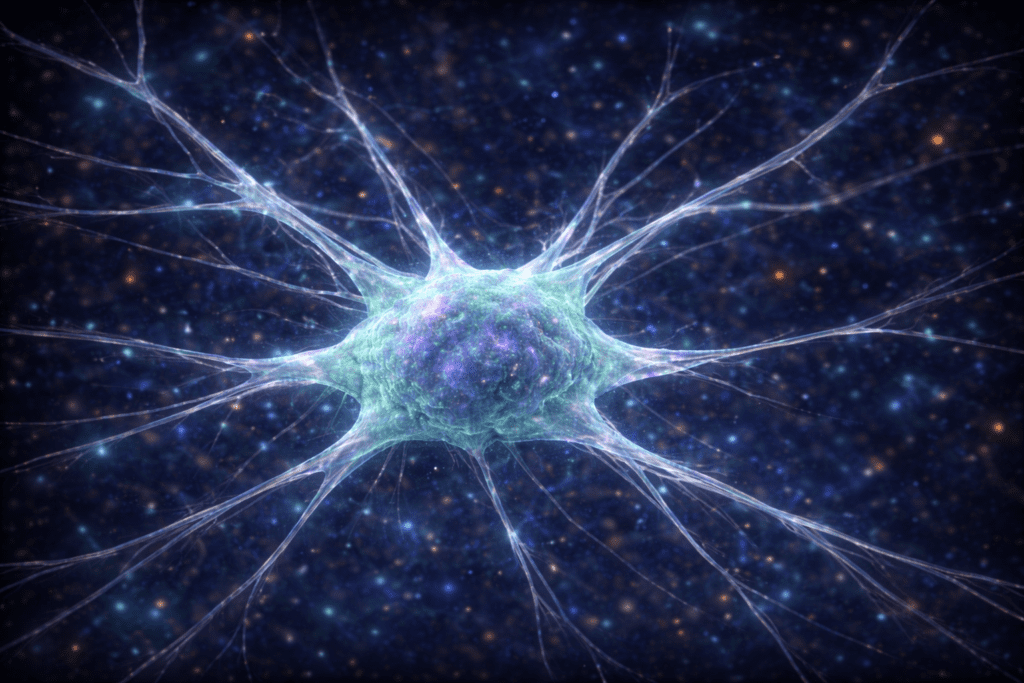
Glioblastoma is a malignant primary tumor of the central nervous system and represents the highest-grade form of diffuse astrocytic glioma. It is characterized by aggressive biological behavior, rapid progression, and extensive infiltration of surrounding brain tissue. Despite advances in neurosurgery, radiation therapy, and systemic treatments, glioblastoma remains associated with limited long-term survival.
This article provides an objective overview of glioblastoma, including its biological characteristics, clinical presentation, diagnostic principles, and currently established treatment approaches, based on contemporary standards in neurooncology.
What Is Glioblastoma?
Glioblastoma is a diffuse astrocytic tumor classified as World Health Organization (WHO) grade 4. This classification reflects both histological features and molecular characteristics associated with aggressive clinical behavior.
Histopathological features commonly observed in glioblastoma include marked cellular atypia, high mitotic activity, microvascular proliferation, and necrosis. These features distinguish glioblastoma from lower-grade gliomas and are central to its diagnosis.
Glioblastomas most frequently arise in the cerebral hemispheres but may occur in other regions of the brain. The disease predominantly affects adults, with incidence increasing with age.
Causes and Risk Factors
In most patients, glioblastoma develops sporadically, and a specific cause cannot be identified. Current evidence suggests that tumor development results from the accumulation of genetic and epigenetic alterations affecting cellular growth regulation, DNA repair, and angiogenesis.
Recognized risk factors include increasing age and prior exposure to ionizing radiation involving the brain. Rare hereditary cancer syndromes, such as Li-Fraumeni syndrome, are associated with an increased risk, although they account for only a small proportion of cases.
There is no reliable evidence linking glioblastoma to lifestyle factors, psychological stress, dietary habits, or common environmental exposures.
Symptoms of Glioblastoma
Clinical symptoms depend on tumor location, size, and growth dynamics. Symptom onset is often subacute, with progression occurring over weeks to months.
Common presenting symptoms include persistent or progressive headaches, seizures (particularly new-onset seizures in adults), cognitive impairment, changes in personality or behavior, memory disturbances, and reduced mental processing speed.
Tumors affecting the frontal lobes may lead to executive dysfunction or behavioral changes, while temporal lobe involvement can cause language or memory deficits. Parietal lobe tumors may result in sensory disturbances, and occipital lobe lesions are associated with visual field deficits.
Neurological deterioration may occur as a result of tumor growth, peritumoral edema, or increased intracranial pressure.
Diagnosis of Glioblastoma
- Magnetic resonance imaging (MRI) with contrast enhancement is the primary imaging modality. Typical features include irregular contrast enhancement, central necrosis, surrounding vasogenic edema, and mass effect on adjacent brain structures. Advanced MRI techniques, such as diffusion-weighted imaging, perfusion imaging, and MR spectroscopy, may provide additional information regarding tumor characteristics.
Definitive diagnosis is established through histological examination of tumor tissue obtained by surgical resection or stereotactic biopsy. Tissue analysis allows confirmation of tumor grade and assessment of defining morphological features.
- Molecular profiling has become an integral component of diagnosis and classification. Commonly assessed markers include IDH mutation status, MGMT promoter methylation, TERT promoter mutations, and EGFR amplification. These molecular features provide prognostic information and may influence therapeutic planning.
Treatment Options for Glioblastoma
Management of glioblastoma is based on a multimodal approach that typically combines surgery, radiation therapy, and systemic treatment. Treatment strategies are individualized, taking into account tumor characteristics, patient age, neurological status, and molecular findings.
-
Neurosurgery
Surgical intervention is generally the first step in management when feasible. The primary goals are maximal safe resection of tumor tissue, reduction of mass effect, and acquisition of tissue for diagnostic analysis.
Complete tumor removal is not usually achievable due to the infiltrative nature of glioblastoma. Surgical outcomes depend on tumor location, involvement of functionally critical brain regions, and the extent to which resection can be performed safely.
-
Radiation Therapy
Radiation therapy is a standard component of treatment following surgery. Conventional fractionated external beam radiation therapy remains the most widely used approach.
Modern techniques, including intensity-modulated and image-guided radiation therapy, are employed to optimize dose delivery while limiting exposure of surrounding healthy brain tissue.
-
Chemotherapy and Systemic Treatments
Temozolomide is the most commonly used chemotherapeutic agent in glioblastoma and is typically administered concurrently with radiation therapy, followed by adjuvant treatment.
Additional systemic approaches, including tumor treating fields and targeted or immunotherapeutic strategies, are under investigation. Their use may depend on molecular tumor characteristics and clinical context.
-
Multimodal and Individualized Treatment Planning
Given the biological heterogeneity of glioblastoma, treatment planning increasingly relies on multidisciplinary evaluation and integration of clinical, imaging, and molecular data. Individualized assessment is essential to balance potential benefits and treatment-related risks.
Prognosis and Factors Influencing Outcomes
Glioblastoma is associated with an unfavorable prognosis at the population level, although clinical outcomes vary among individuals.
Factors associated with prognosis include the extent of surgical resection, molecular tumor features, patient age, functional status, and response to adjuvant therapies. Survival statistics provide general reference but do not predict outcomes for individual patients.
Conclusion
Glioblastoma is a highly aggressive primary brain tumor with complex biological and clinical characteristics. Accurate diagnosis and classification require integration of histopathological and molecular data. Current management is based on a multimodal treatment strategy involving surgery, radiation therapy, and systemic treatment.
Ongoing research continues to refine classification systems and explore novel therapeutic approaches aimed at improving disease control and patient outcomes.
The article was medically reviewed by the Neuro-Oncology Team
Last update: January 4, 2026
Neuro-oncology Institute, Barcelona.